For many people, fear of dental treatment can delay essential oral healthcare. Sedation dentistry in Dubai offers a practical solution by helping patients remain calm and comfortable throughout their dental procedures. Whether you experience dental anxiety, have difficulty sitting through lengthy treatments, or have a sensitive gag reflex, sedation can make your appointment much more manageable.
Sedation dentistry combines modern techniques with careful patient monitoring to create a more relaxed experience while allowing dentists to perform treatment efficiently and safely.
What Is Sedation Dentistry?
Sedation dentistry uses specially selected medications to help patients feel relaxed during dental treatment. Depending on the procedure and the patient’s individual needs, sedation can range from mild relaxation to deeper levels of sedation. The appropriate option is chosen after reviewing the patient’s medical history, age, and planned treatment.
Benefits of Sedation Dentistry
Sedation dentistry provides several important advantages, including:
- Helps reduce dental fear and anxiety
- Creates a calm and comfortable treatment experience
- Makes lengthy procedures easier to tolerate
- Helps patients with a strong gag reflex
- Allows multiple treatments to be completed in fewer appointments
- Improves patient cooperation during treatment
- Encourages regular dental care without fear
Types of Sedation Dentistry
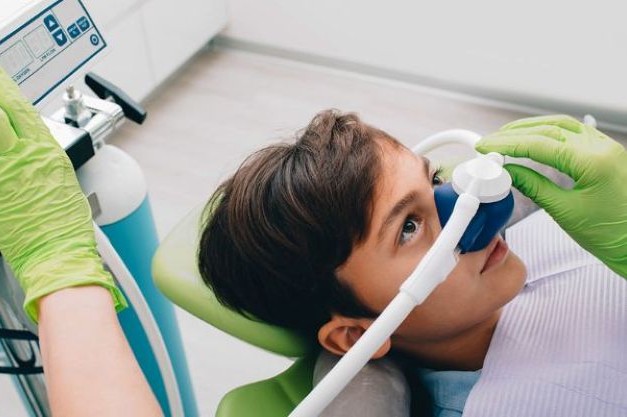
Nitrous Oxide
Commonly known as laughing gas, nitrous oxide provides mild relaxation while allowing patients to remain awake and responsive. The effects wear off quickly after treatment.
Oral Sedation
Oral sedation involves taking medication before the appointment to help reduce anxiety and promote relaxation throughout the dental procedure.
Intravenous (IV) Sedation
IV sedation is administered through a vein, allowing the dentist to adjust the level of sedation according to the patient’s needs during treatment.
General Anesthesia
General anesthesia is recommended for selected cases involving extensive procedures, severe dental anxiety, or specific medical requirements. Patients remain asleep throughout the treatment.
Who May Benefit from Sedation Dentistry?
Sedation dentistry may be recommended for patients who:
- Experience moderate to severe dental anxiety
- Have a strong gag reflex
- Need extensive dental treatment
- Find it difficult to remain still
- Have sensitive teeth
- Require multiple procedures during one visit
- Have special healthcare needs
A comprehensive dental consultation helps determine whether sedation is appropriate.
What Happens During Sedation?
Initial Assessment
The dentist reviews the patient’s medical history, medications, allergies, and treatment requirements before selecting the most suitable sedation option.
Sedation Administration
The recommended sedation method is provided before or during treatment. Throughout the procedure, vital signs such as heart rate, oxygen levels, and blood pressure are closely monitored.
Dental Procedure
Once the patient is comfortable, the planned dental treatment is completed while maintaining continuous monitoring for safety.
Recovery
Recovery time depends on the type of sedation used. Some patients recover within minutes, while deeper forms of sedation may require additional observation before returning home.
Schedule a Visit for Sedation Dentistry in Dubai
Looking for safe and gentle Sedation Dentistry in Dubai for your child? Dr. Divya Chandukutty Nikhil, an experienced Pediatric Dentist, provides child-friendly sedation options to help young patients feel relaxed and comfortable during dental treatment.
Book an appointment today to ensure your child receives stress-free, compassionate dental care in a safe and supportive environment.
Frequently Asked Questions
1. How much does sedation dentistry cost in Dubai?
The cost of sedation dentistry in Dubai varies depending on the type of sedation, the length of the procedure, and the complexity of the dental treatment. After a consultation, the dentist will provide a personalized treatment plan and a detailed cost estimate.
2. Who can benefit from sedation dentistry?
Sedation dentistry is suitable for people with dental anxiety, a strong gag reflex, sensitive teeth, difficulty sitting still, special healthcare needs, or those undergoing lengthy or multiple dental procedures in a single appointment.
3. Is sedation dentistry safe?
Yes. Sedation dentistry is considered safe when performed by qualified dental professionals. Before treatment, the patient’s medical history is reviewed, and vital signs such as heart rate, blood pressure, breathing, and oxygen levels are continuously monitored.
4. What types of sedation are available?
Common options include nitrous oxide (laughing gas), oral sedation, intravenous (IV) sedation, and general anesthesia. The most appropriate method depends on the patient’s health, anxiety level, age, and the complexity of the dental procedure.
5. Will I be asleep during sedation dentistry?
Not always. The level of awareness depends on the type of sedation used. Mild sedation allows patients to remain awake and responsive, while deeper sedation or general anesthesia may cause patients to sleep during treatment.
6. How should I prepare for sedation dentistry?
Patients may be asked to avoid eating or drinking for several hours before the procedure, wear comfortable clothing, and inform the dentist about medications or medical conditions. Specific instructions depend on the type of sedation planned.
7. How long does it take to recover from sedation?
Recovery varies depending on the sedation method. Nitrous oxide wears off quickly, while oral and IV sedation may require several hours. Patients receiving deeper sedation are usually advised to rest for the remainder of the day.
8. Can I drive home after sedation dentistry?
Patients who receive oral sedation, IV sedation, or general anesthesia should not drive after treatment. A responsible adult is usually required to accompany them home. Patients receiving nitrous oxide may often resume normal activities soon after treatment.
9. Does sedation dentistry eliminate pain?
Sedation helps patients feel calm and comfortable during treatment, but it is often combined with local anesthesia to numb the treatment area. Together, they help ensure a comfortable and pain-controlled dental procedure.
10. Is sedation dentistry suitable for children?
Yes. Sedation dentistry may be recommended for children with severe dental anxiety, special healthcare needs, or those requiring extensive dental treatment. The type of sedation is carefully selected based on the child’s health and treatment requirements.